
A business can usually move into a furnished serviced office far quicker than a traditional leased office, sometimes within days, when the right room is free and the paperwork is ready. A serviced office in Cardiff cuts out the wait for desks, chairs, broadband, utilities, cleaning and basic setup. What actually sets the timeline is availability, agreement checks, payment, IT needs, access arrangements and how prepared you are before you book a viewing. If you already know your team size and start date, see what serviced office space is available in Cardiff or call 029 2089 4700.
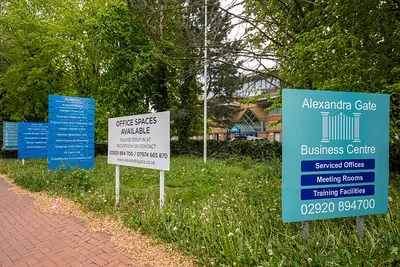 The address
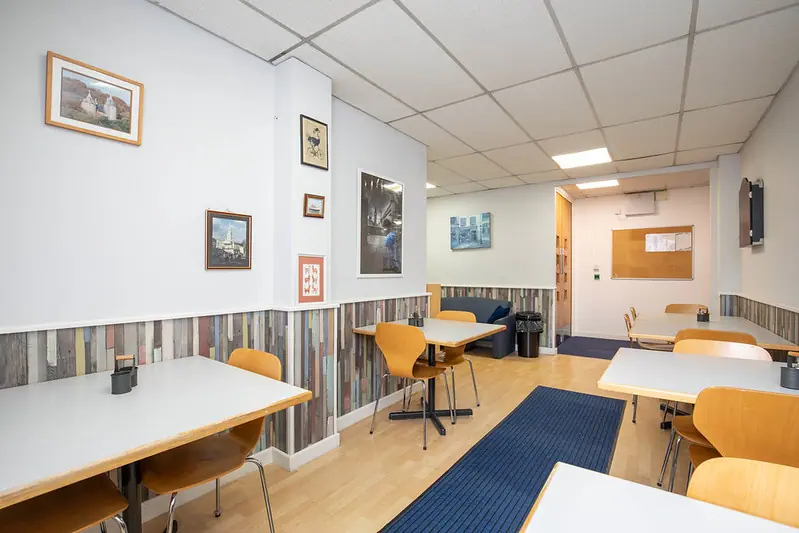 The cafe
- Furnished from day one
- Fibre already live
- 24/7 fob access
- Daily cleaning
- Weekday reception
- Free parking
What a furnished office actually means
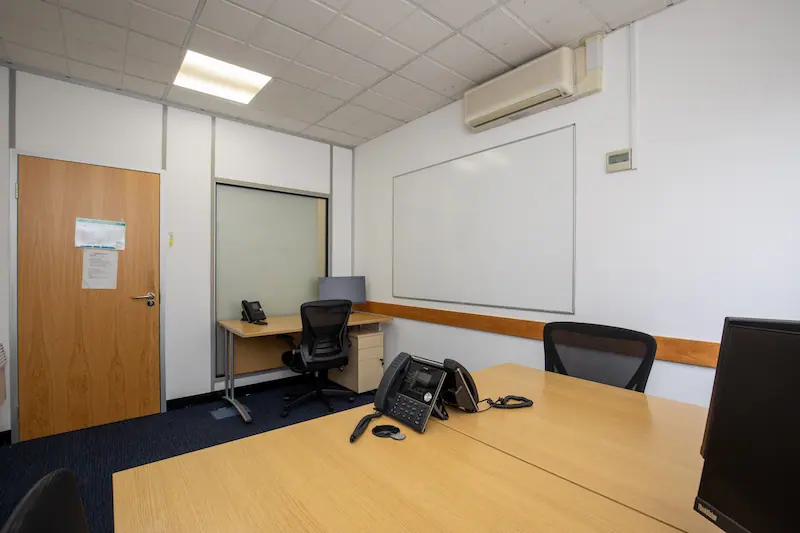
The furniture is the easy part. In a furnished office the desks, chairs and a workable layout are already in place or can be prepared before you arrive, sized to the room and the provider.
Everything around the furniture decides whether the space is genuinely ready. Broadband, Wi-Fi, power points, heating, cleaning, access, parking, shared kitchens, toilets, reception flow and meeting room access all count. This is the real gap between serviced and traditional office space. A leased empty office means buying furniture, ordering internet, booking contractors, setting up utilities and lining up separate suppliers. A furnished serviced office is built to strip most of that out. So the question worth asking on a viewing is not only “is it furnished?” It is “what can my team actually start using on day one?”
How quickly can a small business move in?
When a suitable room is free and the paperwork is in order, a small business can be in quickly, sometimes viewing, agreement and move-in within days. The exact timing still depends on the provider, the space and your own details.
A one or two-person team has fewer moving parts. Desks, chairs, broadband, building access, parking guidance and a simple post routine, and that is roughly it. Compare that with a larger team that brings storage, IT kit, visitor routines and several staff to settle in, and you can see why small moves faster.
Decision-making is the other lever. View the office, understand the terms, hand over documents promptly and confirm payment, and you move quickly. Need three internal approvals first and the room waits for you. A realistic plan still leaves time to check the space, sign the agreement, arrange access, prepare devices, brief staff and update your business details.
A simple timeline for moving in
The move gets easier once you can see the stages. The table is not a fixed promise, but it shows the usual path when a suitable serviced office is available.
Only one of the five stages is entirely ours. The rest move at your pace.
- Enquiry
- Viewing
- Agreement
- Setup
- Move in
- You lead it
- Shared
- We lead it
Scroll the table → hover any row to focus it
| Stage | What usually happens | What to prepare |
|---|---|---|
| EnquiryYou lead it | You ask about size, availability and budget | Team size, preferred start date, usage needs |
| ViewingShared | Space, access, parking and facilities checked | Questions on terms, inclusions and layout |
| AgreementShared | Terms, notice period and monthly cost reviewed | Business details, ID or required documents |
| SetupWe lead it | Access, furniture, internet and room details confirmed | Devices, files, stationery, staff plan |
| Move inYou lead it | Team starts using the office | First-week routine: post, meetings, visitors |
It works best when both sides know what is needed. We explain the space and the agreement, you provide the information that completes the setup, and nobody waits on the other for something that could have been ready.
What can slow it down
Most delays trace back to missing details, slow decisions or requirements that surfaced too late. The room can be free while the practical steps are still open.
A move stalls when team size, start date, payment route or who needs access is not confirmed, or when documents for the agreement are outstanding. Some businesses need sign-off from directors or finance before anyone can sign anything.
IT is the other common holdup. Standard broadband and Wi-Fi are quick. Secure systems, VoIP phones, printers, screens or extra network checks are not, so raise them early. Office size plays in too: a small room is often ready fast, while a larger suite for a growing team needs layout planning, desk numbers and access sorted. Flag anything unusual before move-in day, whether that is extra storage, regular deliveries, evening access, client meetings, pets, parking or specialist equipment. Cardiff businesses value the free on-site parking here, which is rare near the city centre, but it still helps to know staff and visitor numbers in advance.
 Ready now
Most of the delay is paperwork, not the room
Tell us the headcount, the start date, who needs a fob and who signs, and the agreement can be drawn up before you have finished the viewing. The room is rarely the thing holding a move up.
- Headcount now and in six months
- Preferred start date
- Names for access fobs
- Who signs and who pays
What “move in ready” should include
Move-in ready means the office is prepared enough to start using without turning the first fortnight into a setup project. Inclusions vary, so ask for a written list before you sign.
A practical furnished office setup often covers:
- desks and chairs
- broadband or Wi-Fi access
- power access
- lighting and heating
- cleaning arrangements
- shared kitchen or break facilities
- toilets and shared areas
- building access details
- parking guidance
- reception or visitor process
- meeting room access where available
- basic building rules
Just as important, ask what is not included. Extra furniture, private printers, specialist internet setup, storage, extra keys or fobs, call answering or mail handling may need separate booking or payment. The move-in conversation should cover both the office and the wider building, not just the room you are standing in.
Prefer to spend a viewing checking the practical detail rather than the paint?
Our team walks you through availability, furniture, broadband and access on the spot. Book a viewing of a Cardiff serviced office or call 029 2089 4700.
What to bring on move-in day
A furnished office cuts what you carry in, but it does not remove every task. Your team still needs its own tools, documents and routines.
Most businesses bring laptops, chargers, phones, files, stationery, secure storage items, branded materials and any kit they use daily, plus monitor stands, keyboards, headsets or a small printer depending on how they work. Sort the digital side before the first day too. Staff should know the address, arrival process, parking rules, access times and who to contact when they get there. Hold off inviting clients until the team knows the building routine.
A short first-day checklist earns its keep: confirm access, test the internet, check power points, agree desk use, walk the shared areas, save key contacts and decide how post and deliveries get handled.
What you no longer need to buy
A furnished serviced office removes a lot of the early spend of a traditional move, which makes the setup faster and the budget cleaner.
You often skip desks, chairs, basic furniture, cleaning services, separate broadband installation and shared-facility equipment. Depending on what the provider includes, you may also avoid arranging utilities, business rates and building maintenance directly. That matters for cash flow. A growing business would rather put money into staff, marketing, software or client delivery than furniture, and it wastes less if you later change office size. The saving depends on the package, so ask what the monthly fee covers and what counts as an extra, and weigh the furnished setup and the included services together.
“Assisting us with office moves on 3 occasions to accommodate the growth of our business.”Original CAD Solutions, tenant since 2012
Moving in fast is one thing. Moving again without leaving the building, changing your address or renegotiating everything is the part that decides whether the first office was a good choice.
Why furnished offices suit small teams
Furnished space suits small teams because it strips out decisions before work can start. Most small teams want a simple professional base, not a property project.
A founder leaving the kitchen table in Cardiff might need privacy, a business address, meeting space and a steadier routine. A two or three-person team wants somewhere to work together without a long lease. A service business covering Cardiff, Newport, Caerphilly or wider South Wales needs a base for client meetings, admin and focus. A furnished serviced office fits that stage. The team gets a clear starting point in a space that is already structured, and it can build a routine before deciding whether it needs more desks, more storage or a bigger suite. If you are weighing this against a hot desk, our guide on a small office versus a coworking desk goes deeper, and the two-person office is a common first step.
Moving in as a growing team
A growing team needs more planning than a one-person business. The move can still be quick, but the detail carries more weight.
With five, ten or more people, think about desk layout, meeting habits, storage, calls, parking, visitors and the hires coming next. The team needs room for quiet work, shared planning and client conversations, and a room that looked fine on a quick walk-through can feel tight once bags, monitors and daily habits arrive. Hybrid working eases the pressure but still needs planning: a ten-person team may not need ten desks every day, yet it needs enough space on the busy ones. Know who comes in, when, and how meetings hit the room. Ask whether larger space could open up later, so the first office is a starting point rather than a ceiling. The six-person office is a natural next size, and outgrowing a room is easier to plan than to fix.
Two-person suite
A private door, desks already in it and a business address. The usual step out of the kitchen table.
View the two-person office →Six-person suite
Room to hire into rather than out of, in the same building on the same fob and the same broadband.
Compare the six-person office →Four rooms, four different start dates
Swipe to compare → tap any card
 1 to 2 people
Two person office
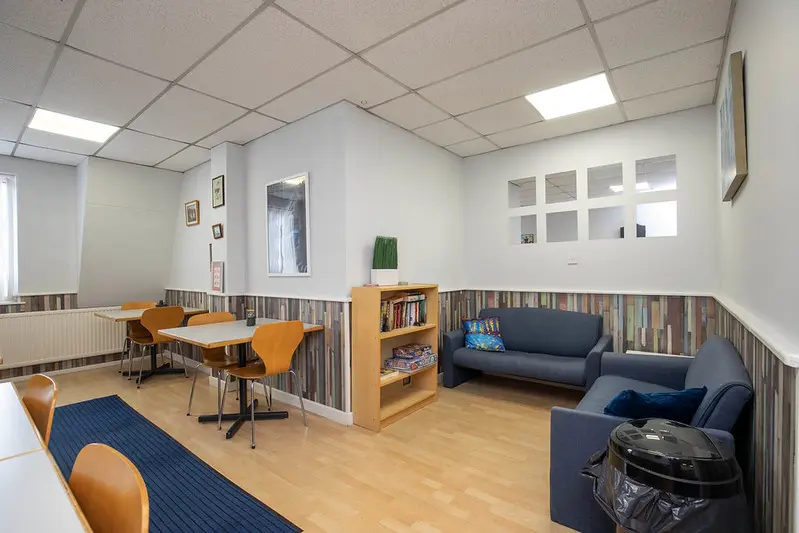
The smallest room with a door of its own, furnished and fobbed from day one.
See the two person suite →
1 to 2 people
Two person office
The smallest room with a door of its own, furnished and fobbed from day one.
See the two person suite →
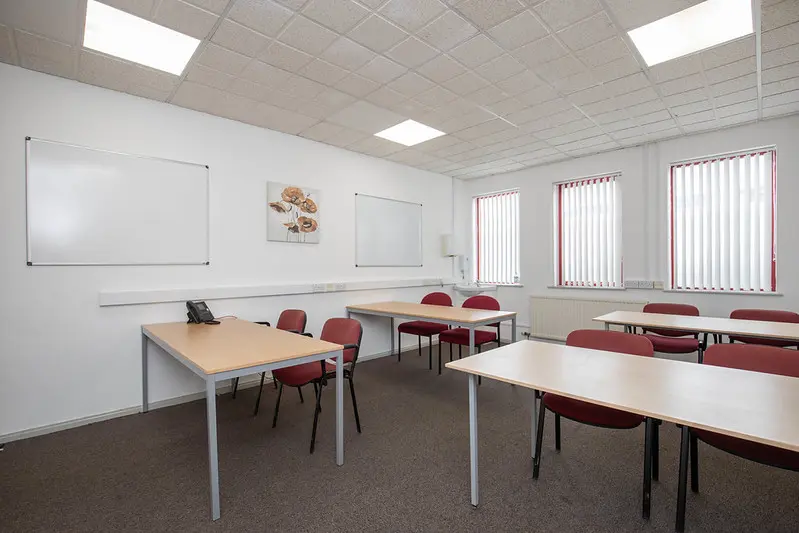 Up to 3 people
Three person office
A desk each plus storage, so the next hire does not force another move.
Check the three person office →
Up to 3 people
Three person office
A desk each plus storage, so the next hire does not force another move.
Check the three person office →
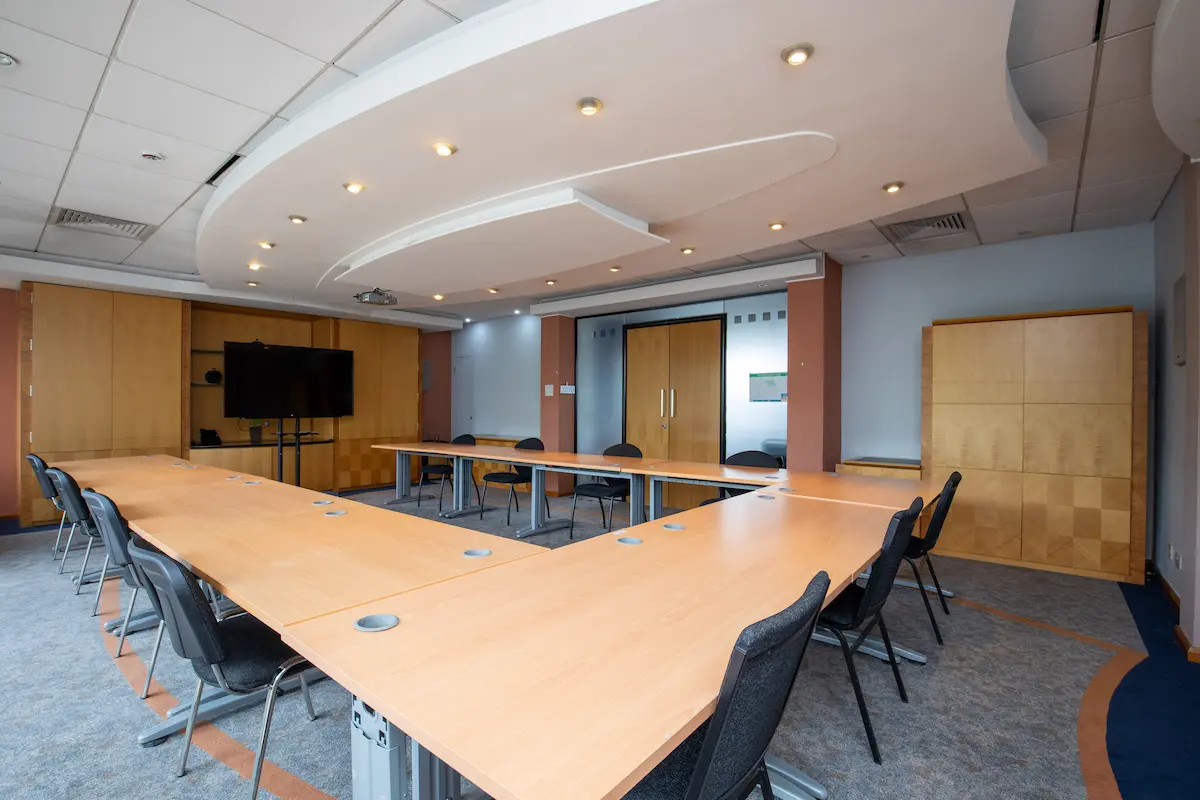 From week one
Meeting and training rooms
Bookable from your first day, so client visits are not waiting on the move.
Take a look at the meeting rooms →
From week one
Meeting and training rooms
Bookable from your first day, so client visits are not waiting on the move.
Take a look at the meeting rooms →
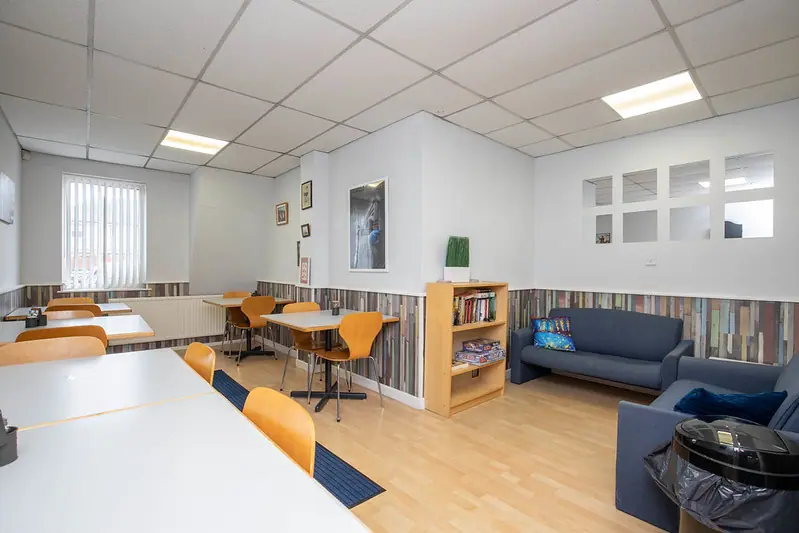 2 to 30 people
Every suite we have
Ask what is free this month and what frees up next, before you plan a date.
Compare the suites →
2 to 30 people
Every suite we have
Ask what is free this month and what frees up next, before you plan a date.
Compare the suites →
How to prepare before booking a viewing
You can speed the whole move up by walking in with the right information. Clear details help us point you at a suitable space and skip the wasted trips.
Before the viewing, write down:
- how many people need desks now
- how many may join in the next six to twelve months
- preferred move-in date
- monthly budget range
- parking needs
- meeting room use
- visitor frequency
- storage needs
- broadband and IT needs
- access requirements
- whether you need mail handling or business address support
That turns the viewing into a proper test. Not just “does the room look good” but “can this space carry our normal working week?”
What to ask during the viewing
A viewing should test the office, the facilities and the move-in process together. The faster you need to move, the more you need clear answers.
- When could this office be available?
- What furniture is included?
- Can the layout be adjusted?
- What broadband or Wi-Fi is available from day one?
- What documents are needed before move-in?
- What payment or deposit is required?
- How are access fobs or keys issued?
- Is parking available for staff and visitors?
- Can meeting rooms be booked straight away?
- How does post or delivery handling work?
- What happens if the team needs more space later?
- Who helps with first-week questions?
These questions protect you from assumptions. A furnished office is quick to occupy, but the team still needs the right setup to work properly. Our viewing checklist for a Cardiff serviced office covers the rest.
Your first week in a furnished office
Use the first week to settle the routine, not just unpack laptops. A smooth start makes the space feel useful fast.
Test internet access, agree desk habits, confirm parking rules, save building contacts and learn how visitors are handled. Decide how you use meeting rooms, shared areas and the post or delivery process. Raise small issues early, because a chair, an access fob, a Wi-Fi question or a parking detail is easy to fix in week one and annoying once it has become a habit. Check in with the team after a few days too. The move often reveals small changes that make the space work better: desk position, storage, meeting times, arrival routines.
Move into a Cardiff office without turning it into a project
A furnished office should get you working sooner, with fewer setup decisions and less pressure. The right space hands the team desks, access, facilities and a routine without a drawn-out property process.
Alexandra Gate Business Centre, in Pengam Green in east Cardiff, has run serviced offices since 2005, with free on-site parking, 24/7 access, meeting rooms and reception support, roughly ten minutes from the city centre with quick access to the A48, A4232 and M4. When you visit, check availability, furniture, broadband, access, parking, documents, payment steps and first-week support.
FAQs
How quickly can I move into a furnished office in Cardiff?
When suitable space is available and your documents are ready, a business can move into a furnished serviced office in a short timeframe, sometimes within days. The exact timing depends on the provider, agreement, payment and setup needs.
What is usually included in a furnished office?
Desks, chairs and a working layout as standard. In a serviced office, broadband, cleaning, utilities, shared facilities, parking or meeting room access may also be included, depending on the provider. Always ask for the list in writing.
Do I need to buy furniture for a serviced office?
Usually not. A furnished serviced office is designed to remove the need for desks, chairs and basic setup, but confirm exactly what is included before you sign.
What can delay moving into a furnished office?
Missing documents, slow approvals, unclear team size, payment delays, IT requirements and special layout needs can all hold things up. Clear information keeps the process moving.
Is a furnished office good for start-ups?
Yes. It cuts setup time, upfront purchases and property-management tasks, giving a new business a professional base without a long setup project.
Should I view the office before agreeing?
Yes. A viewing lets you check the room, furniture, access, parking, broadband, shared facilities and first-week support before you commit.
Four things to settle before the viewing
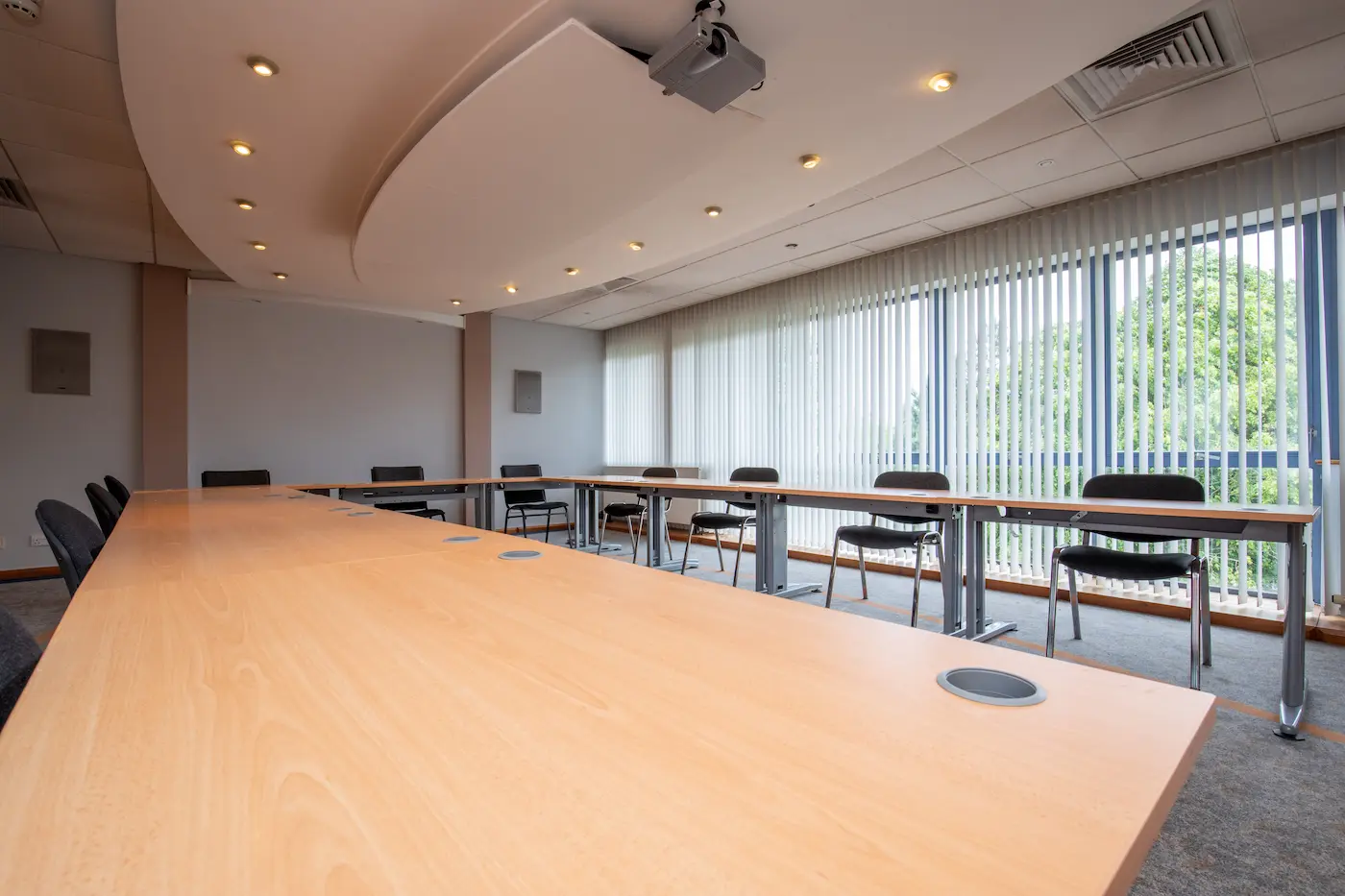
Tell us your headcount and your start date
We will tell you what is free now, what is coming free, and exactly which documents we need before you collect a fob. Call 029 2089 4700 or ask through the contact page.
How many desks, and when do you want to start? That is enough for us to name a room.
Explore serviced offices in Cardiff
Book a viewing →