
A flexible licence agreement gives a business permission to use office space under agreed terms, usually with less commitment, faster setup and fewer day-to-day property responsibilities than a traditional lease. A traditional office contract means a longer lease with more legal detail, more setup work and more responsibility landing on the tenant. So when Cardiff businesses weigh a serviced office against a leased one, the real question is not only price. It is how much flexibility, risk and control the business needs at its current stage. If you want to see how a licence works in practice, call us on 029 2089 4700 and we will run through the terms with you.
One document, one monthly figure, one building already running
A lease hands you a property project. A licence hands you a working office. The difference shows up in how long it takes to start, how many suppliers you deal with, and how easily you change your mind about space.
Send the term, the notice period and what the other place says is included.
What is a flexible licence agreement?
A flexible licence agreement is a written arrangement that lets a business occupy and use an office, desk, suite or space under agreed conditions. The provider keeps overall control of the building while the business gets permission to use the agreed space and facilities.
The document normally sets out the office in use, the monthly fee, the term, notice rules, access rights, included services, building rules and what happens if either side ends the arrangement. In a serviced office in Cardiff, it usually covers shared areas, meeting rooms, reception, parking, internet and cleaning too.
The practical value is simplicity. A licence can often be agreed and started faster than a lease, which suits businesses that need space soon, want to avoid large upfront setup costs, or do not yet know how much room they will need in a year or two. It is still a serious document, so read it properly, ask questions and take professional advice where terms are unclear. Flexible does not mean casual. It means the arrangement is built around shorter, simpler occupancy rather than a long property commitment.
What is a traditional office contract?
A traditional office contract usually means a commercial lease: a more formal property arrangement where the tenant takes on defined rights and responsibilities for a specific space over a set period.
A lease suits businesses that want long-term control, a fixed location, their own fit-out, stronger occupation rights and more say over how the premises are used. It works well for established companies with stable headcount, clear growth plans and the budget to manage property obligations. The trade-off is commitment. A lease can bring more legal work, longer negotiation, deposits, fit-out decisions, insurance questions, repairs, service charges, utilities, business rates and exit planning. Some businesses are fine with that. Others find it too heavy for their current stage.
That is why the comparison is not one option being better for everyone. The right choice follows the business model, team size, cash flow, growth plan and appetite for property responsibility.
Licence agreement vs traditional lease: the practical difference
The clearest way to see the difference is through day-to-day impact. One offers simpler occupation and easier movement. The other offers more long-term control and more responsibility.
Four lean licence, one leans lease, two depend on you
Scroll the table → hover any row to focus it
| Area | Flexible licence agreement | Traditional office lease |
|---|---|---|
| Setup timeLeans licence | Often quicker to arrange and move into | Usually slower due to legal and setup steps |
| CommitmentLeans licence | Often shorter and more flexible | Usually longer and more formal |
| CostsLeans licence | Often clearer as one monthly office cost | May involve rent plus separate costs |
| FacilitiesLeans licence | Often includes shared services and building support | Tenant may arrange more services directly |
| ControlLeans lease | Less control over the wider building | More control over the leased premises |
| GrowthLeans licence | Easier to change space where available | Moving or expanding may be harder |
| Best fitDepends on the business | Start-ups, SMEs, growing teams, flexible teams | Established firms with stable long-term needs |
A serviced office licence tends to win when the business wants speed, clarity and lower property-management pressure. A lease tends to win when the business wants a long-term premises strategy and is ready to manage the detail. Our comparison of a business centre versus a commercial landlord in Cardiff breaks the two routes down further.
Why flexibility matters for growing businesses
Small businesses rarely grow in a straight line. A team can jump from one person to three, then hold for six months. A company can need more space during a project, then settle back down. Hybrid working makes headcount a rough space-planning number at best.
A flexible licence helps a business avoid locking into more space than it needs, and it makes upgrading, reducing or rethinking the setup easier where the provider has options. That suits start-ups, consultancies, recruiters, agencies, contractors and professional service firms still testing team structure. A lease makes those calls heavier. You may have to commit to a larger space early, pay for setup and hope the forecast holds, which is fine for stable firms and risky for younger teams. If you expect to scale, our guide on growing into more space in Cardiff is worth a read, because space and contract flexibility need to work together.
Six ways to size the same licence
Swipe to compare → tap any card
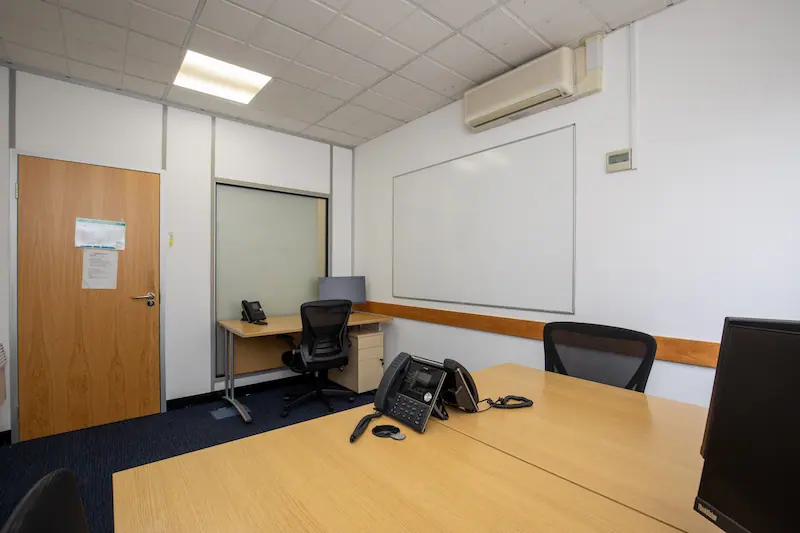
 1 to 2 people
Two person office
The smallest step off a lease, furnished and fobbed from day one.
View the two person office →
1 to 2 people
Two person office
The smallest step off a lease, furnished and fobbed from day one.
View the two person office →
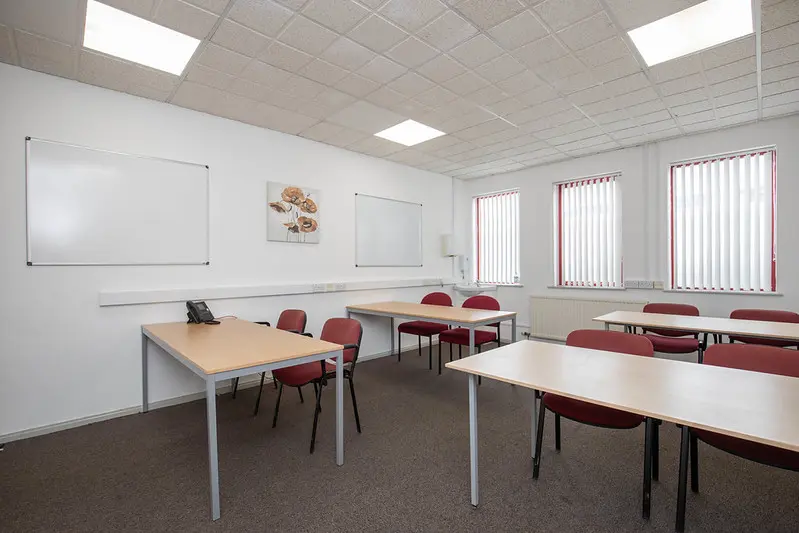 Up to 6 people
Six person office
Fibre, cleaning and reception on the same monthly figure as the desks.
View the six person office →
Up to 6 people
Six person office
Fibre, cleaning and reception on the same monthly figure as the desks.
View the six person office →
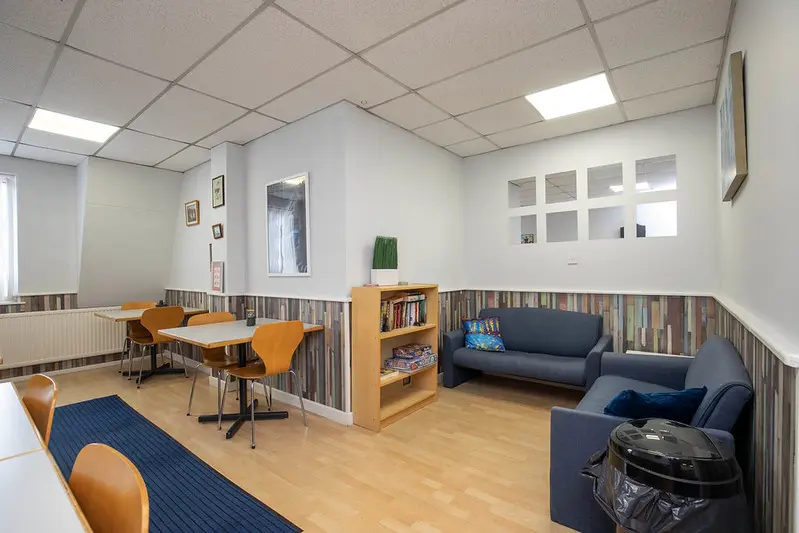 Open plan team
Large bright office
A department-sized floor without a department-sized commitment.
Explore the large bright office →
Open plan team
Large bright office
A department-sized floor without a department-sized commitment.
Explore the large bright office →
 Up to 30 people
Premium suite
A full Cardiff base with a private manager room, still on a licence.
See the 30 person suite →
Up to 30 people
Premium suite
A full Cardiff base with a private manager room, still on a licence.
See the 30 person suite →
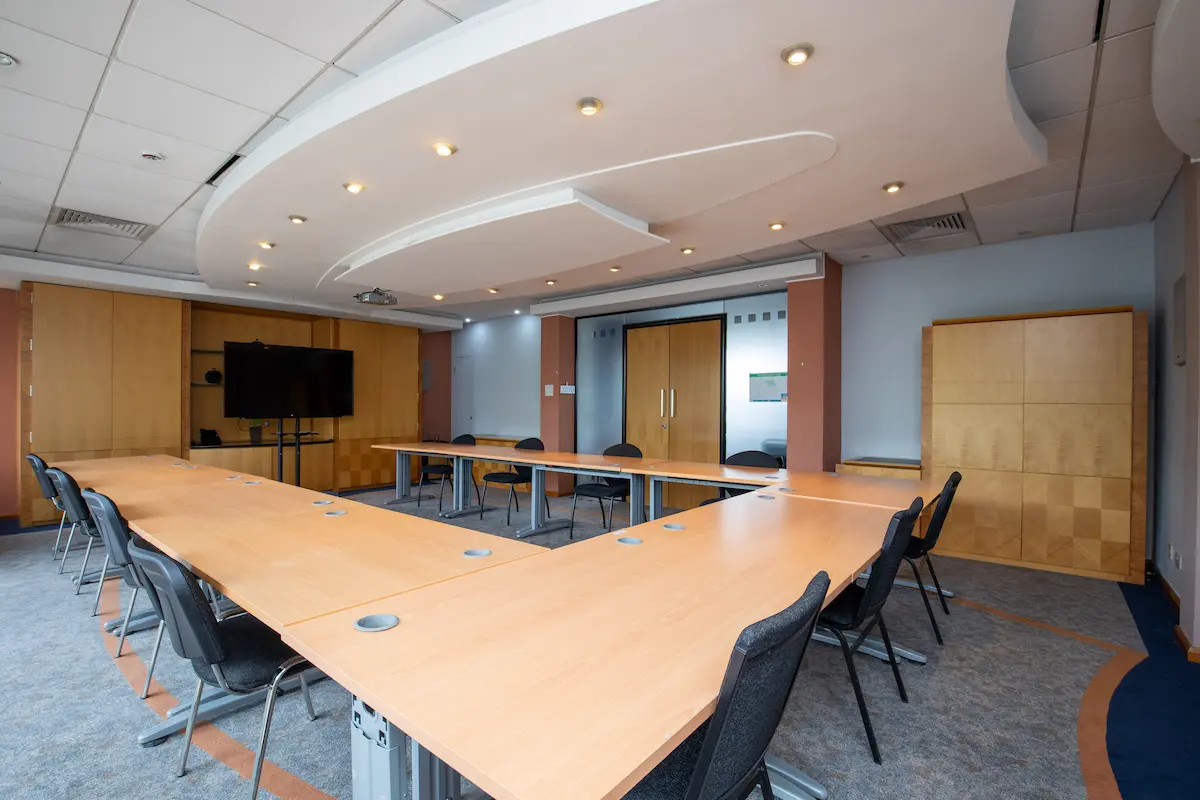 By the hour or day
Meeting and training rooms
Booked when you need them, so you never rent them all year.
Hire a room by the day →
By the hour or day
Meeting and training rooms
Booked when you need them, so you never rent them all year.
Hire a room by the day →
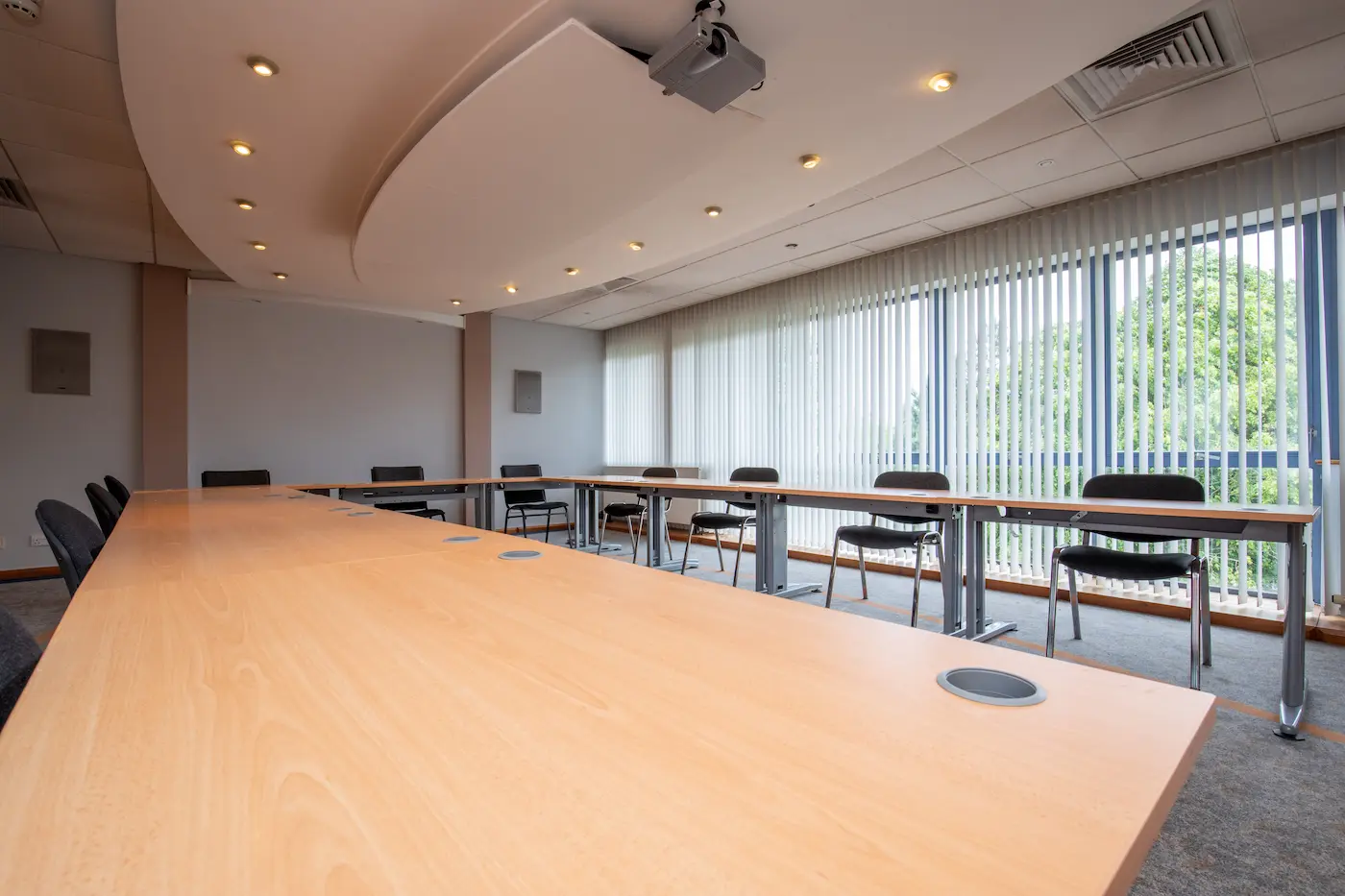 Seats up to 25
Modern boardroom
Private floor and lift access for the meetings a lease would not fit.
Schedule the boardroom →
Seats up to 25
Modern boardroom
Private floor and lift access for the meetings a lease would not fit.
Schedule the boardroom →
Cost clarity can matter more than headline rent
Cost clarity often beats a low headline rent. A lease may show one rent figure while the business still has to cover rates, utilities, broadband, cleaning, repairs, furniture, fit-out, insurance, service charges and professional fees.
A serviced office licence pulls more of the daily cost into one monthly arrangement. Inclusions vary by provider, so always ask what is covered and what is extra, but clearer monthly budgeting helps smaller teams protect cash flow and dodge surprise costs. This is not just accounting. It is confidence. An owner makes better hiring, marketing and growth decisions when office costs are predictable, while one worried about unknown property costs delays decisions or settles for unsuitable space to reduce risk. If you want the numbers side, see what an all-inclusive office costs per month in Cardiff, then ask the direct question: what do we pay each month, what do we get, and what could still be charged separately?
Setup time and move-in speed
Setup time is one of the biggest gaps between a licence and a lease. A licence supports a faster move because the building, facilities and basic services are already in place. A furnished serviced office often comes with desks, chairs, broadband, cleaning, shared facilities and reception support, so you can focus on confirming the team, setting up devices, updating business details, arranging post and planning the first week.
A lease takes longer. The tenant may need legal review, landlord approval, fit-out planning, utility setup, furniture buying, internet installation and a stack of operational decisions before the office is usable. That suits a company building a long-term headquarters and slows down a business that just needs a professional place to work now, whether it has outgrown home working, taken on staff, won a contract or needs a client-facing base.
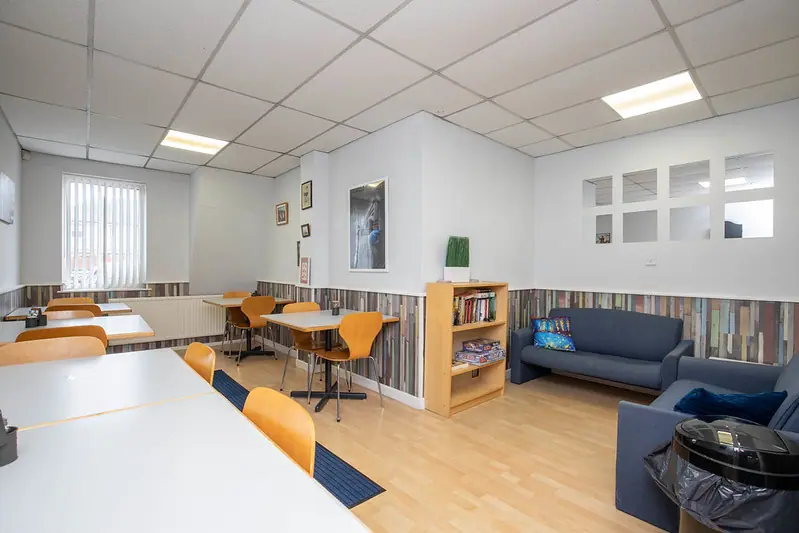 Day one
The building is already running before you sign
Fibre is in, the suite is furnished, cleaning is scheduled and reception is staffed. That is the practical meaning of a shorter document: most of the decisions a lease would hand you have already been made and paid for by somebody else. You confirm the team, collect the fobs and start.
- Furnished suites, 80 to 1,200 sq ft
- Fibre broadband already live
- Daily cleaning and weekday reception
- 24/7 fob access and CCTV
- Free parking, no permit
Notice periods and exit routes need checking
Check notice periods and exit routes before signing anything. A flexible licence may offer a shorter or clearer route out than a long lease, but the detail still matters. Look at the notice period, minimum term, renewal process, deposit conditions and what happens at the end of the agreement, and ask how upgrades or changes work if the team needs different space later.
A lease may carry break clauses, fixed terms and more formal exit steps, so ending it can take more planning where repairs, reinstatement, notice dates or legal conditions apply. A short agreement is not automatically better and a longer one is not automatically worse. The right answer depends on how confident you are about headcount, cash flow, location and future space needs. Our guide to deposit, notice and exit terms on a Cardiff office licence covers what to look for.
What businesses should check before signing
Check the practical terms before you fixate on the monthly price. A licence or lease can look simple until the business starts using the space. Useful questions:
- What space is included in the agreement?
- How long is the initial term?
- What notice period applies?
- What is included in the monthly fee?
- Are business rates, utilities, broadband and cleaning included?
- Is furniture included?
- Can the team use meeting rooms?
- Are there charges for extra services?
- How does access work outside normal hours?
- Are parking spaces included or available?
- Can the business expand into a larger space later?
- What happens if the business needs to leave early?
- Are there rules around visitors, pets, deliveries or contractors?
These let you compare like for like and make conversations with the provider faster and clearer.
When a flexible licence agreement is the better fit
A flexible licence is often the better fit when a business wants speed, lower setup pressure and room to adjust. That is common for start-ups, consultants, small teams, remote businesses, hybrid teams and growing SMEs. It also works when the business needs a professional base but does not want to manage property detail, because a serviced office provides the building, facilities and support while the business focuses on clients, staff and growth.
It suits a company moving out of home working, a team opening a Cardiff base, or a business that needs office space after winning new work, along with anyone who values shared reception, parking and meeting rooms. When flexibility and speed matter more than full control over the premises, the licence route usually makes most sense. To see how ours compares against your options, call 029 2089 4700 or book a viewing.
We will read both documents with you
Tell us the term, the notice period and what the other quote says it includes. Twenty minutes with the two side by side usually settles which route your business should be on.
- No legal jargon and no pressure to sign on the day
- Straight answers on notice, deposit and what is extra
- The agreement sent ahead of the viewing, not after it
Bring the other quote and we will go through it line by line with you.
Call 02920 894700 →When a traditional office lease may still make sense
A lease makes sense when a business wants long-term control over a defined premises: its own branded environment, specialist fit-out, dedicated infrastructure, storage or long-term certainty. It also suits larger firms with stable staffing, clear budgets and internal support for property management, the kind of business comfortable handling repairs, utilities, fit-out, insurance and detailed contractual obligations.
The trade-off is more commitment. A lease should be reviewed carefully where repair obligations, rent reviews, break clauses, service charges and end-of-term responsibilities come into play. It is not wrong. It is simply a bigger property decision, best chosen when the benefits of control outweigh the flexibility you give up.
Speed, one monthly figure, somebody else running the building, and the freedom to change your mind about how much space you need.
Control of the fabric, your own branding on the building, a fit-out shaped around what you do, and certainty you are willing to pay for in commitment.
“The building management team have been hugely supportive throughout our time here.”Tenant testimonial, Alexandra Gate Business Centre
A licence is only as flexible as the people administering it. The businesses that have renewed here for years are the ones who have actually tested that, which no clause in the document can tell you.
How to compare both options on a viewing
A viewing should test whether the agreement and the space fit the way the business works, not just how the office looks. Start with the basics: team size, working pattern, budget, visitor needs, parking, meeting rooms and expected growth. Then ask how the agreement supports those needs, because a nice office with the wrong terms gets frustrating and a flexible agreement with the wrong space falls short.
During the viewing, ask how fast you can move in, what is included, how access works, what happens if the team grows and what daily support you get. Ask to see shared areas, meeting rooms, parking and the route visitors take into the building. A good viewing makes the next step clearer. If the office fits, the agreement should feel understandable, and if the terms feel vague, ask for clarification before you go further.
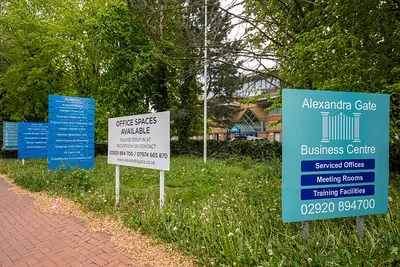
For Cardiff businesses weighing up flexibility, Alexandra Gate can help you compare available office options, facilities and access arrangements, with free on-site parking and easy access from the A48 and M4 in east Cardiff. Call 029 2089 4700 or book a viewing to talk it through.
FAQs
What is a flexible licence agreement for office space?
It is an arrangement that gives a business permission to use office space under agreed terms. It is common in serviced offices, where the provider manages the building and shared facilities.
Is a licence agreement the same as a lease?
No. A lease is normally a more formal property arrangement, while a licence is a simpler permission to use space under set conditions.
Is a flexible office licence better for start-ups?
It often suits start-ups because it can reduce setup time, upfront cost and long-term commitment. Still check the term, notice period and included services before signing.
What should I check before signing a licence agreement?
Check the term, notice period, monthly fee, included services, meeting room access, parking, broadband, visitor rules and what happens if the business needs to change space.
When is a traditional office lease better?
A lease may suit an established business that wants long-term control, its own fit-out and a fixed premises strategy. It usually involves more responsibility and commitment.
Can a serviced office help a business grow into more space?
Yes, where suitable options are available. Ask how upgrades, extra desks or larger suites are handled before you sign.
Four more angles on the same decision
Read the licence before you decide you want it
We will send the agreement ahead of the viewing rather than after it. Mark it up at your own desk, bring the awkward questions, and judge the terms and the room in the same visit.
Ask for the agreement by email and we will send it before you visit.
Explore serviced offices in Cardiff
Arrange a viewing →