
Mail handling in a UK virtual office means your business post is received at a professional address, sorted under rules you set, then held for collection, forwarded to another address or managed through an agreed process. It suits sole traders, start-ups, remote teams and online businesses that want a business address without using their home. The value sits in the detail: what happens when post arrives, how fast you are told, how forwarding works and what routine keeps important letters from being missed. If that is what you are after in Cardiff, look at our virtual office services or call 029 2089 4700.
- Receives post at a CF24 2SA address
- Sorts it daily against your account
- Holds it securely or forwards it on
- Tells your named contact it has arrived
- Open, read or interpret your letters
- Judge which items are urgent for you
- Act on a deadline you have not flagged
- Replace someone inside the business owning the post
What mail handling means in a virtual office
The provider receives post on your behalf and deals with it under instructions you set: hold it for collection, forward it to another address, or notify you when items land.
A virtual office address is not just a line in a website footer. Real letters, documents and parcels arrive there from banks, suppliers, customers, Companies House, service providers and professional bodies. Without a process, that post turns messy fast. The exact service depends on the provider and package. Some businesses need only a basic address and the odd collection. Others want regular forwarding, quick notification, scanning where it is offered, or a named person responsible for checking post. It runs best when you set the rules from the start, so the provider knows what to hold, what to forward, who to contact and what counts as urgent.
What happens when business post arrives
Post lands at the virtual office address and gets processed under the provider’s routine. The first step is working out who the item is for and matching it to the right business account.
- Check the business name against the account
- Sort the post by type and instruction
- Store it in a secure holding area
- Notify the named contact that it has arrived
A simple flow: check the business name, sort the post, place it in a secure holding area, notify you. More detailed services add scheduled forwarding or handle different post types in different ways, depending on the package. Do not assume every item gets treated the same. Standard letters, signed-for items, parcels, bank documents, official letters and customer returns may each need their own handling, and some providers restrict certain items or ask for extra instructions before accepting them. A good setup removes the guesswork. You know what happens on arrival, who gets the notification, what the next step is and roughly how long each option takes.
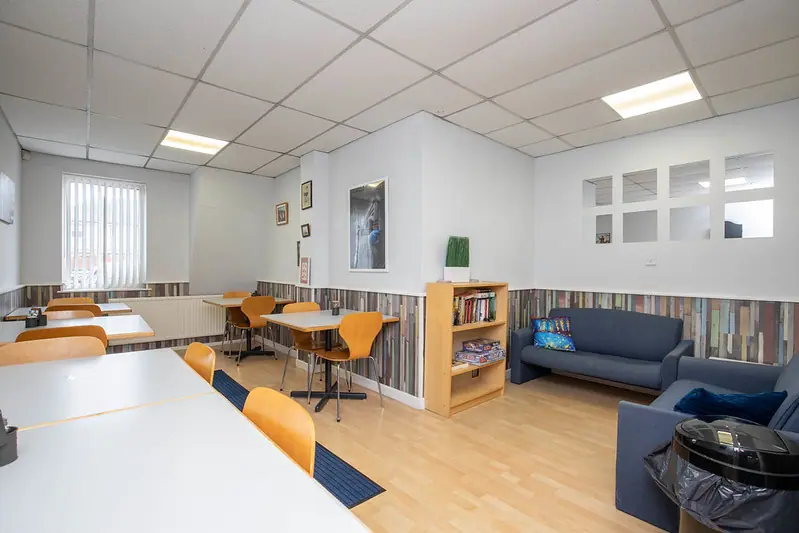 CF24 2SA
Post sorted daily, not whenever somebody gets to it
Incoming post is sorted every working day at a staffed reception, and outgoing post is franked and left for the postman. That rhythm is the difference between a letter you see this week and one you find next month.
- Incoming post sorted daily on site
- Outgoing post franked at reception
- Held for collection or forwarded to your rules
- A named contact who knows your account
Holding, collection and forwarding explained
These three are the main ways post gets handled once it arrives, and each suits a different working routine.
One suits you calling in, three suit us sending it on, one does both
- You collect it
- We send it on
- A bit of both
Scroll the table → hover any row to focus it
| Option | What it means | Best suited to |
|---|---|---|
| Hold for collectionYou collect | Post is kept until you collect it | Local businesses, Cardiff sole traders, regular visitors |
| ForwardingWe send it | Post is sent to your chosen address | Remote teams, home workers, businesses outside Cardiff |
| Scheduled forwardingWe send it | Post is forwarded on set days | Businesses wanting a predictable weekly or monthly rhythm |
| Ad hoc forwardingWe send it | You request forwarding when needed | Low-volume businesses or occasional urgent items |
| Collection plus forwardingA bit of both | Some items collected, others sent on | Businesses with mixed admin needs |
A Cardiff sole trader who calls into the business centre anyway might prefer collection. A remote consultant leans towards weekly forwarding. A national business using a Cardiff address wants a clear forwarding schedule so letters do not sit too long. It comes down to how fast you need the post and how often you can deal with it.
How mail forwarding usually works
Forwarding sends post received at the virtual office address on to another address you choose: a home office, company office, director’s address or wherever admin happens.
Depending on the package, the provider forwards daily, weekly, monthly or on request. Some businesses want everything sent the moment it arrives. Others prefer a weekly bundle so admin gets done in one sitting. Urgency and volume decide which. Forwarding can carry extra costs too, so postage, packaging, handling fees or tracked delivery may apply depending on the provider and the item. Ask how charges work before you sign up. The practical question underneath all of it stays the same: how quickly do we need to see our post, and who acts on it once it arrives?
Why notification routines matter
Receiving post only helps when the right person knows it has arrived. A letter sitting unnoticed still creates risk, even at the correct address.
A solid routine answers three things: who gets told, how they are told, and what they do next. The answer differs for a sole trader, a two-person start-up and a remote team sharing admin. Some businesses want a simple email on arrival. Others need a named director, office manager or admin contact to get the update. A growing business often wants a shared inbox so post does not hinge on one person being available. The provider’s process matters, and so does yours. Mail handling works better when someone inside the business clearly owns the post, especially the time-sensitive letters.
“Been there so many times, the receptionists are very friendly.”Google review, Alexandra Gate Business Centre
Your post is only as reliable as the desk it lands on. The people collecting mail here deal with that reception every week, which tells you more than any service description.
What counts as urgent business post
Urgent post is anything that needs action quickly, carries a deadline, or could affect money, compliance, customers or operations. Not every letter carries the same weight.
The usual urgent categories:
Decide in advance what happens when one of these lands. The provider cannot always tell what a letter means from the outside, so your instructions need to be clear. You might ask for faster notification on signed-for items or anything from named organisations. This is where mail handling and call answering start to work as one system, because post, calls and admin messages all need the same reliable follow-up.
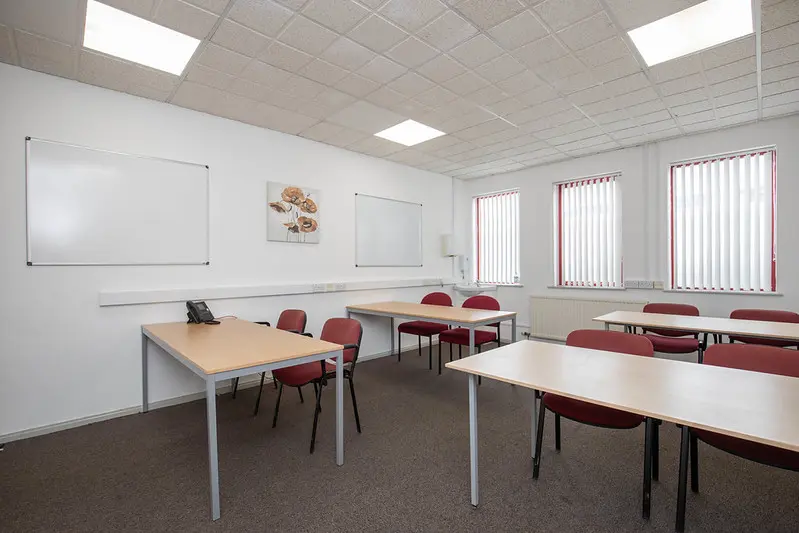 One reception
A letter and a phone call are the same problem
Both arrive when you are somewhere else, and both go cold if nobody owns them. Running the address and the phone line through the same reception means one set of instructions covers who gets told, how fast, and what counts as urgent. That is easier to keep working than two separate arrangements with two providers.
- Post sorted daily on site
- Outgoing post franked
- Weekday reception, named contact
- Hold or forward, your rules
Why ID checks may be needed
Providers usually run ID and business checks before handling mail for you. They confirm who is using the address and who is allowed to receive post.
Expect to be asked for personal identification, proof of business details, company information or authorised contact names. The exact documents vary, so check what is needed before you try to start using the address. The checks can feel like admin, but they protect both sides. The provider knows who the customer is, and you get the confidence that mail is only released or forwarded under agreed instructions. Come prepared with company details, contact names and identity documents and you can start faster.
Want a Cardiff address with the post routine, forwarding and ID checks handled properly from day one?
Compare our virtual office packages or call 029 2089 4700.
How to choose the right forwarding frequency
Match forwarding frequency to the risk and volume of your post. A business receiving urgent letters should not run the same routine as one that gets the odd supplier update.
Daily forwarding suits businesses with regular important documents or a need to act fast. Weekly forwarding gives small businesses a steady admin rhythm. Ad hoc forwarding fits very low-volume users who only need items sent when something turns up. Monthly forwarding can work for low-risk mail, but it is often too slow once bank, customer, legal or government letters are involved, because deadlines do not wait. The best routine is the one you will actually follow. A weekly bundle only helps when someone opens it, sorts it and acts on it.
How virtual office mail handling helps home-based businesses
For home-based businesses, the main draw is separating a public business identity from private home life. That is why many sole traders and small companies choose it.
A home address ends up on invoices, supplier records, online profiles, directories and customer correspondence. Some owners are fine with that. Many are not, and a business address draws a cleaner line between work and home. Our guide on a home address versus a business mailbox covers that trade-off in full. Mail handling helps with order too: business post stops mixing with personal letters, household bills and family documents, which makes supplier letters, customer items and official correspondence easier to track. For most sole traders, the point is not looking bigger than they are. It is privacy, order and a tidier way to run day-to-day admin. A professional address also feeds customer trust, which matters most for online-first companies.
What else the same building can do
Swipe to compare → tap any card
 Post and callsVirtual office
Address, mail handling, forwarding and call answering under one set of rules.
Take the address and the post routine →
Post and callsVirtual office
Address, mail handling, forwarding and call answering under one set of rules.
Take the address and the post routine →
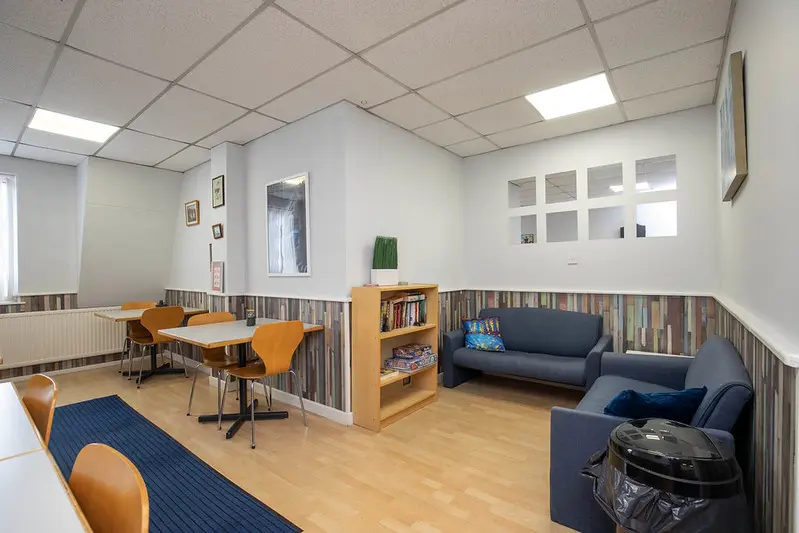
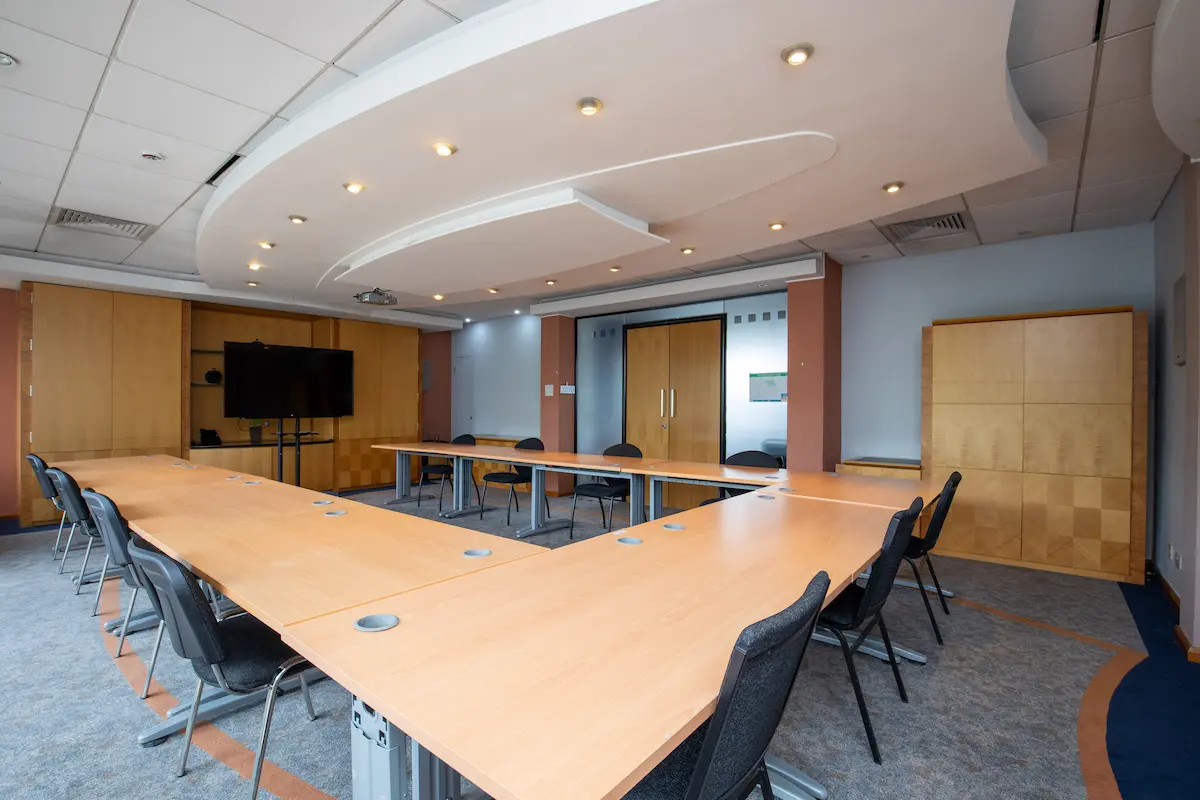 By the hour or dayMeeting and training rooms
Somewhere to meet the client whose letter you just collected.
Hire a room by the day →
By the hour or dayMeeting and training rooms
Somewhere to meet the client whose letter you just collected.
Hire a room by the day →
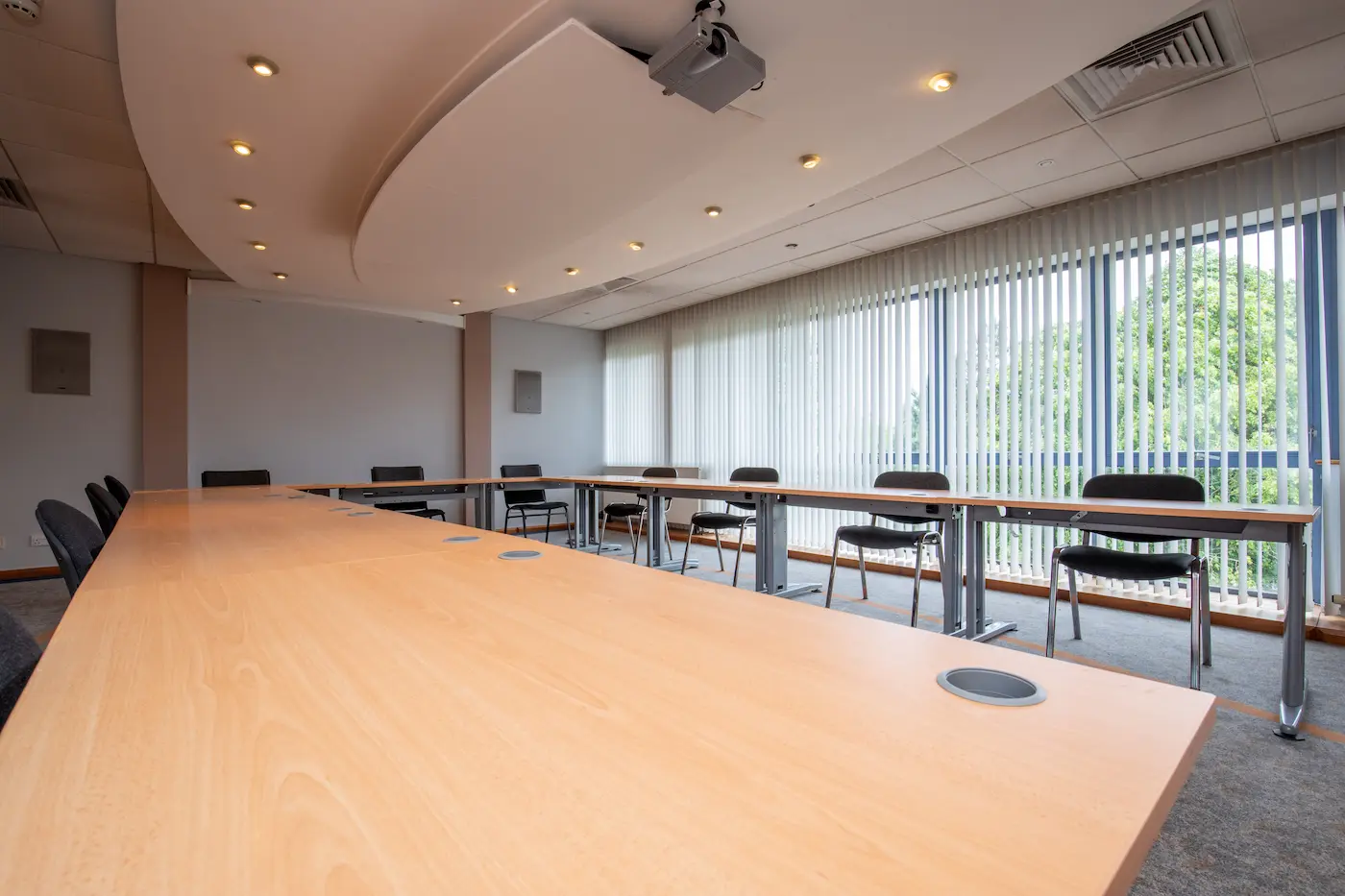 Seats up to 25Modern boardroom
A private floor with lift access for pitches, panels and board days.
Schedule the boardroom →
Seats up to 25Modern boardroom
A private floor with lift access for pitches, panels and board days.
Schedule the boardroom →
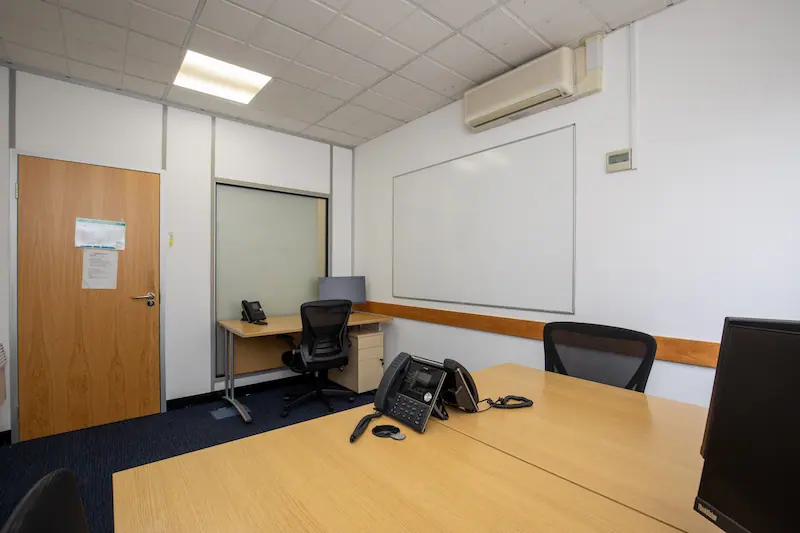
 1 to 2 peopleTwo person office
When collecting the post turns into working here two days a week.
View the two person office →
1 to 2 peopleTwo person office
When collecting the post turns into working here two days a week.
View the two person office →
 Up to 6 peopleSix person office
Fibre, cleaning and reception included, on the same CF24 2SA address.
Check the six person office →
Up to 6 peopleSix person office
Fibre, cleaning and reception included, on the same CF24 2SA address.
Check the six person office →
 2 to 30 peopleServiced offices
Suites from 80 to 1,200 sq ft, with the post already coming here.
Compare the serviced offices →
2 to 30 peopleServiced offices
Suites from 80 to 1,200 sq ft, with the post already coming here.
Compare the serviced offices →
When a mailbox service is enough
A mailbox service is enough when you mainly need somewhere to receive and collect post, without a wider virtual office package. That fits a lot of local sole traders, contractors, consultants and home-based businesses in Cardiff.
A mailbox separates business post from home post and gives you a more suitable address for suppliers, customers and admin records. The difference is that a full virtual office adds wider support, depending on the provider. Choose on need. A mailbox works when the goal is post collection and address privacy. A wider virtual office makes more sense when you need forwarding, call support, meeting room access or a stronger UK business presence. If you are unsure which stage you are at, our guide to choosing a package by business stage helps you place it.
What to ask before choosing a mail handling service
Check the detail before you put the address into public use. Small things affect how smoothly the arrangement runs.
- What types of post can be received?
- Are parcels accepted?
- How will I know when mail arrives?
- How quickly are notifications sent?
- Can mail be held for collection?
- What forwarding options are available?
- Can forwarding be daily, weekly or ad hoc?
- Are postage or handling fees charged separately?
- What ID or business documents are needed?
- Who can collect post?
- What happens with signed-for items?
- What happens if mail is addressed incorrectly?
- Can the package be upgraded later?
Clear answers save you missed letters, surprise costs and confusion once the address is live.
How to keep your business post organised
Forwarding solves the delivery problem. It does not process the documents for you, so the business still needs a simple routine after the post leaves the virtual office.
Name one post owner, even in a very small business. That person opens the mail, records urgent items, files important documents and follows up on deadlines. A shared inbox or a simple spreadsheet helps when more than one person needs visibility. A weekly post review works for many sole traders and start-ups: pick a regular time to check forwarded letters, scan or file what matters, watch the deadlines and update records. The routine does not need to be clever. It needs to happen every week.
Set up mail handling that keeps your business organised
Mail handling should make admin easier, not add another worry. The right virtual office setup gives you a professional address, a clear post routine and a practical way to receive, collect or forward important documents.
Alexandra Gate Business Centre, in Pengam Green in east Cardiff, has run virtual office services and mailbox options from a professional Cardiff address since 2005, with on-site facilities, free parking and meeting rooms when you need them. When you enquire, check how post is received, how notifications work, which forwarding frequencies are available, what costs apply, what ID is needed, who can collect mail and whether the package can be upgraded later.
Tell us where your post should end up
Hold it for collection, forward it weekly, or split the two. Give us the rules and the named contact, and we will run the address around them. To set up the right arrangement, call Alexandra Gate on 029 2089 4700 or book a viewing and we will match a virtual office and mail handling setup to the way your business works.
Give us your post volume and the name of whoever owns it, and we will set the routine around that.
Explore the virtual office services
Arrange a viewing →FAQs
How does mail handling work in a virtual office?
Business post is received at your virtual office address, sorted under agreed rules, then held, forwarded or set aside for collection with a notification to you. The exact process depends on your provider and package.
Can a virtual office forward my post?
Yes. Many providers forward post to your chosen address. Frequency, charges and delivery options vary, so confirm them before signing up.
How quickly will I know when mail arrives?
You are usually notified when mail arrives, but timing depends on the provider’s process and your package. Ask whether notifications are immediate, daily, scheduled or handled during working hours.
Do I need ID to use a virtual office mail service?
Yes. Providers commonly ask for ID, business details or authorised contact information before handling post, to confirm who can use the address and receive mail.
Is mail forwarding better than collecting post?
Forwarding is better when you are not local or cannot collect regularly. Collection suits you when you are nearby and want direct control over when you pick up business post.
Can I use mail handling if I work from home?
Yes. It keeps business post separate from personal post and helps keep your home address out of public business use.
Four more angles on the address itself
